
High Sub-Zero Preservation and Revival of a Small Mammal
Pioneering research into preserving and reviving small mammals at sub-zero temperatures.
Funding:$1M
Science
Cryopets preserves terminally ill pets in cryosleep, a form of critical care medicine that aims to stabilize them at very low temperatures for future treatment. Through our nonprofits CryoDAO and HydraDAO, we fund the frontier of cryopreservation and revival research.
Pioneering research into preserving and reviving small mammals at sub-zero temperatures.
Breakthrough research demonstrating successful live births from vitrified whole ovaries in large mammals.
Cryopreservation of embryos from the RR-20 space mice colony, saving valuable space biology research.
Pioneering multi-organ cryopreservation with HIFU (high-intensity focused ultrasound) rewarming and quality assessment in a large mammal model.
A state-of-the-art facility designed for long-term cryopreservation and cutting-edge research in biostasis.
Studies on doctors and neuroscientists' attitudes toward biostasis and brain preservation.
A comprehensive repository providing access to cryoprotective agents for research and development.
Advanced computational methods to identify and develop new cryoprotective compounds.
Research with Gregory M. Fahy, PhD and Regina R. Monaco, PhD on memory survival through cryopreservation.
Axonal fusion therapies for spinal cord injury repair using advanced fusogens and bioengineered scaffolds to restore motor function after complete spinal cord transection.
Integrated Organ Network platform developing bodyoids (coordinated peripheral organs that grow and function together) toward patient-compatible biological substrates for replacement biology.
Introduction
At the end of a pet's life, families are usually offered burial or cremation. Both are final. Cryopreservation is the option that keeps a chance at life again, by preserving the pet at very low temperatures.
Death is a process, not a single moment. Clinical death is when the heart and breathing have stopped, not when everything is already lost, which is why CPR can already reverse that process if it starts in time. Cryopreservation aims to pause the same process as quickly as possible.
The procedure never begins on a healthy pet, and never while a pet is still conscious. It starts only at the end of a natural life, ideally after planned euthanasia, once the heart has already stopped.
Cryopets exists to make cryopreservation real for pets today, and to push the science of whole-organism preservation forward.
How it works
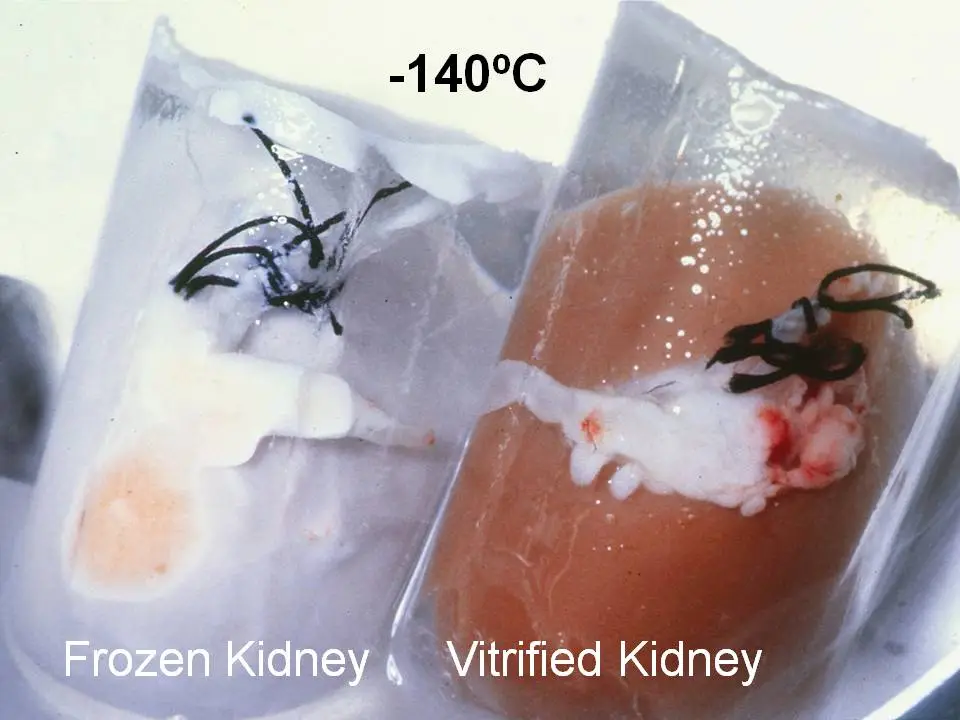
Cryopreservation cools biological material until biochemistry effectively stops. Stored in liquid nitrogen at −196°C, well-preserved tissue can remain intact for millennia.
A pet is a circulatory system, organs that have to stay coordinated, and a brain, all preserved together. That scale is what Cryopets is built for.
After clinical death, stabilization begins in a cryo-ambulance: medications, initial cooling, then perfusion of cryoprotectants through the circulatory system. The pet is then brought to our long-term care facility, cooled slowly toward −196°C, and safely secured.
Ice is the problem vitrification is built to avoid. Cryoprotectants solidify water as a glass, an amorphous solid with no ice. Gregory Fahy and colleagues laid out that approach in 1984, as a way to cool organs without forming ice.
The same idea now runs through fertility medicine, vascular graft banking, and experimental organ work. The chemicals that prevent ice can still stress cells if concentrations or timing are wrong, so perfusion, staged loading, and cooling all have to be right. Those steps are the core of a Cryopets procedure.
Cryoprotective agents (CPAs) are small molecules, often polyols or dimethyl sulfoxide-based mixtures, that penetrate cells and replace a fraction of intracellular water. They lower the freezing point, increase viscosity, and raise the concentration threshold required for ice nucleation.
Every CPA trades off potency, toxicity, osmotic stress, and how well it moves through tissue. Real protocols use cocktails, delivered in steps so cells equilibrate. Getting that chemistry through a whole animal, including the brain, is the protocol work Cryopets is built around.
How far we have come
Fertility clinics, cell therapy, and biobanking already use cryopreservation every day. The frontier is scale: an organ, a brain, then a whole animal. The same methods that would fill vitrified organ banks are what let us preserve a pet as a whole organism.
Organs are furthest along. In 2009 a vitrified rabbit kidney was transplanted and supported long-term survival. In 2023, rat kidneys stored vitrified for up to 100 days were nanowarmed and transplanted, restoring life-sustaining renal function. In 2026, human-scale pig kidneys stored at −150°C for up to a year were nanowarmed and recovered function, producing urine after transplantation.
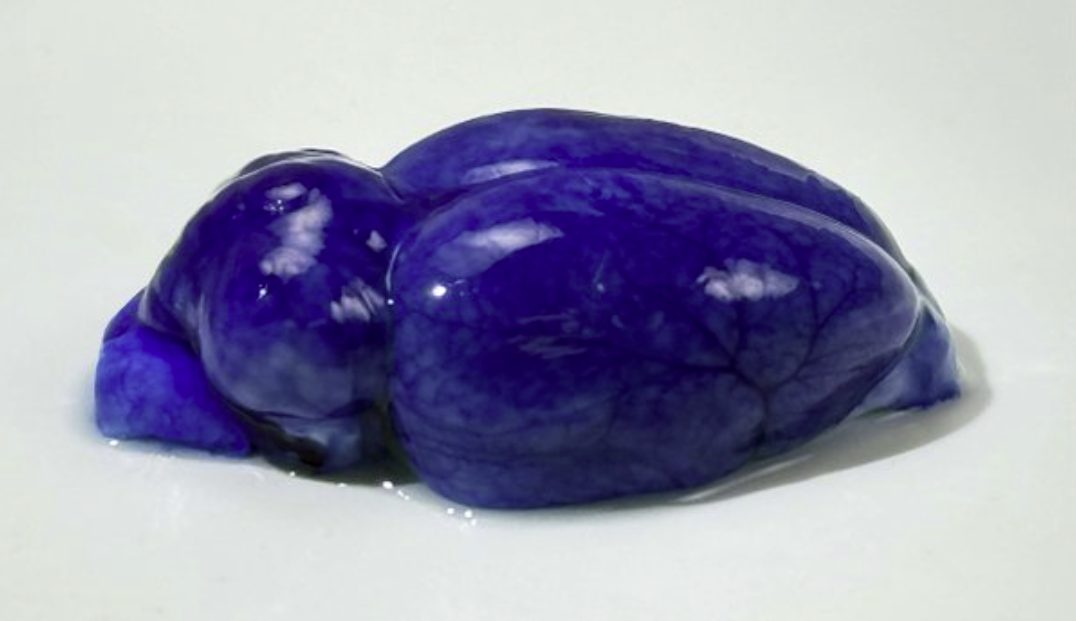
The brain has a record too. Cat brains stored frozen for years still produced electrical activity after they were rewarmed. Rat hippocampal slices later recovered ion pumping after vitrification. A whole rabbit brain kept its synapses intact through vitrification and rewarming.
More recently, cellular functions have been restored in pig brains hours after the heart stopped. In 2026, adult mouse hippocampus recovered electrical activity and long-term potentiation, the cellular machinery of memory, after vitrification. Complex memory has even survived vitrification and revival in C. elegans, a whole animal.
CryoDAO is pushing that scale in large mammals. Whole sheep ovaries have been vitrified, nanowarmed, and replanted, with a complex vascularized organ recovering full function, on a path toward the first FDA-approved vitrified whole organ. Related work in Spain is testing whether several organs can be preserved and rewarmed together.
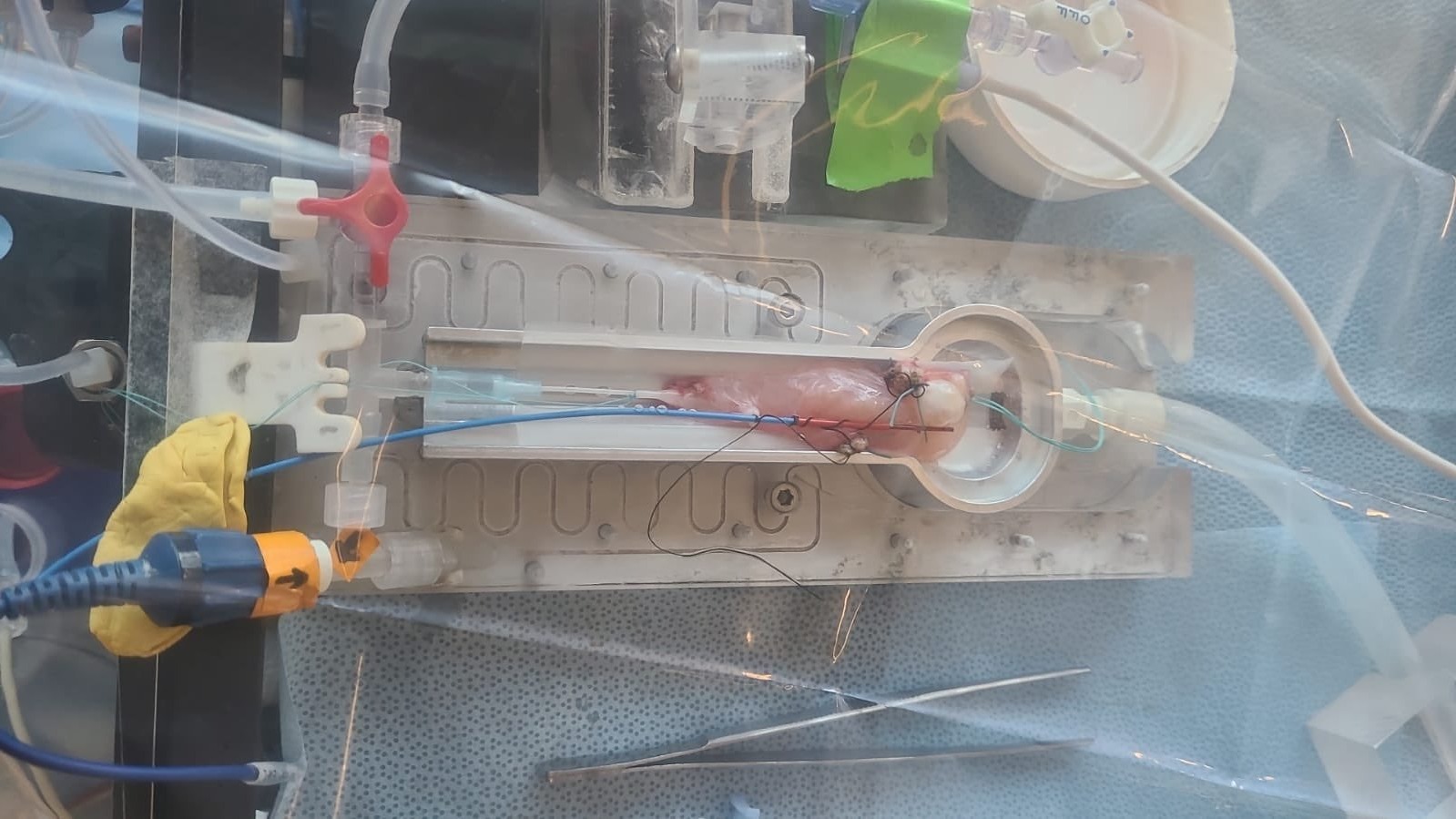
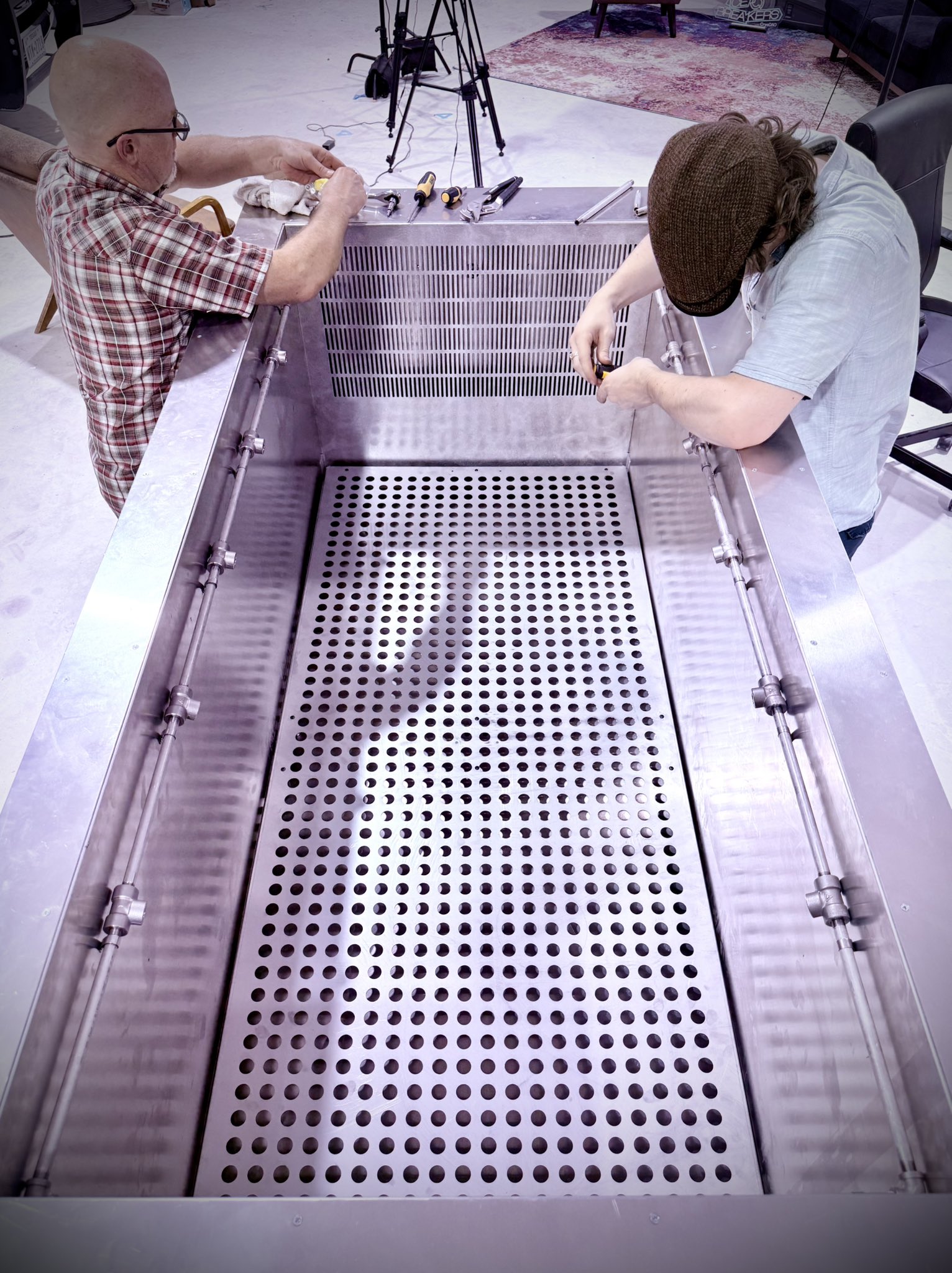
The CRYORAT project, also funded by CryoDAO, is one of the most direct tests of reversibility at the whole-body scale: high sub-zero preservation and revival of a small mammal. A small mammal is the closest analog we have to a pet. That is the direction Cryopets and our research partners are pushing: protocols you can repeat, outcomes you can measure, and scale that matches a real animal.
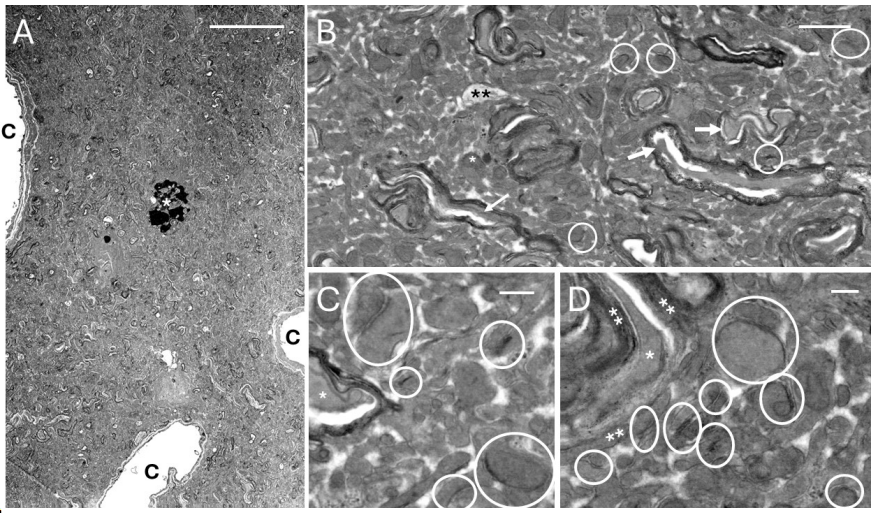
For a pet, the brain also has to last in storage. A recent paper on a human cryopreservation patient's brain after years in liquid nitrogen shows identifiable synapses, intact membranes, and no ice damage. If that structure can last years, preserving a pet today is how you keep the animal there for the medicine still ahead.
Cryopets has spent years and millions of dollars developing our own protocols and building the hardware to do this for cats and dogs: perfusion circuits, a slow-cooling chamber, cryo-ambulances, and more of the system a whole animal actually needs.
Why this matters now
Families have to decide now, for animals that have no other option. Cryopets offers medical-grade cryosleep so the biological structure is still there when future medicine is ready. The same core science reaches further: human preservation, spaceflight, trauma care, and organ banks.
Pet cryopreservation
When today's medicine can no longer help, burial and cremation are permanent. Cryopets preserves your companion so future medicine may one day restore them. That is a chance at life again.
Human cryopreservation
The same whole-organism methods apply when today's medicine can no longer help a person. Cryopets' work on animals is part of making that science stronger for everyone.
Cryo for space travel
Long-distance spaceflight is limited by the biology of the crew. Biostasis could let people travel dormant, cutting the cost of keeping a crew alive in transit. See also the Space Biostasis Coalition.
Medical evacuation and trauma
Controlled hypothermia and biostasis can extend the window between injury and definitive care, from battlefield trauma to rural emergency medicine.
Organ banking and regenerative medicine
Vitrified organ banks would wipe out the transplant waitlist: organs on demand, far fewer discards, and a foundation that pairs with tissue engineering as regenerative therapies mature.
Conclusion
Cryopets began with Atlas, our founder's cat. He started this company to save Atlas, and to give every pet the same chance at life again.
We believe whole-organism cryopreservation is the most consequential technology of our time. It is the bridge between two ambitions that have defined human striving for as long as we have looked up at the night sky: defeating death, and reaching the stars.
The pets who need this cannot wait. We bring affordable, accessible, medical-grade cryosleep to pets, and we fund the research that makes reversible preservation possible. The science is hard, but the payoff is eternal.
See membershipKey research
Decades of peer-reviewed work sit behind this page, from early brain viability studies to organ vitrification, memory after cooling, and connectome preservation. Some of the papers that matter most are below.
Biostasis.com · bibliography and signatories
Suda I et al. · Nature (1966)
Martin G · Perspectives in Biology and Medicine (1971)
Hamilton R et al. · Journal of Surgical Research (1973)
Suda I et al. · Brain Research (1974)
Drexler KE · Proceedings of the National Academy of Sciences (1981)
Fahy GM et al. · Cryobiology (1984)
Haneda K et al. · Cryobiology (1986)
Merkle RC · Medical Hypotheses (1992)
Song YC et al. · Nature Biotechnology (2000)
Alam HB et al. · Surgery (2002)
Fahy GM et al. · Cryobiology (2004)
Lemler J et al. · Annals of the New York Academy of Sciences (2004)
Whetstine L et al. · Critical Care (2005)
Pichugin Y, Fahy GM, Morin R · Cryobiology (2006)
Best BP · Rejuvenation Research (2008)
Fahy GM et al. · Organogenesis (2009)
Vita-More N, Barranco D · Rejuvenation Research (2015)
McIntyre RM, Fahy GM · Cryobiology (2015)
Vrselja Z et al. · Nature (2019)
de Wolf A et al. · Rejuvenation Research (2020)
Han Z et al. · Nature Communications (2023)
Fahy GM et al. · bioRxiv (2026)
German A et al. · Proceedings of the National Academy of Sciences (2026)
Han Z et al. · bioRxiv (2026)